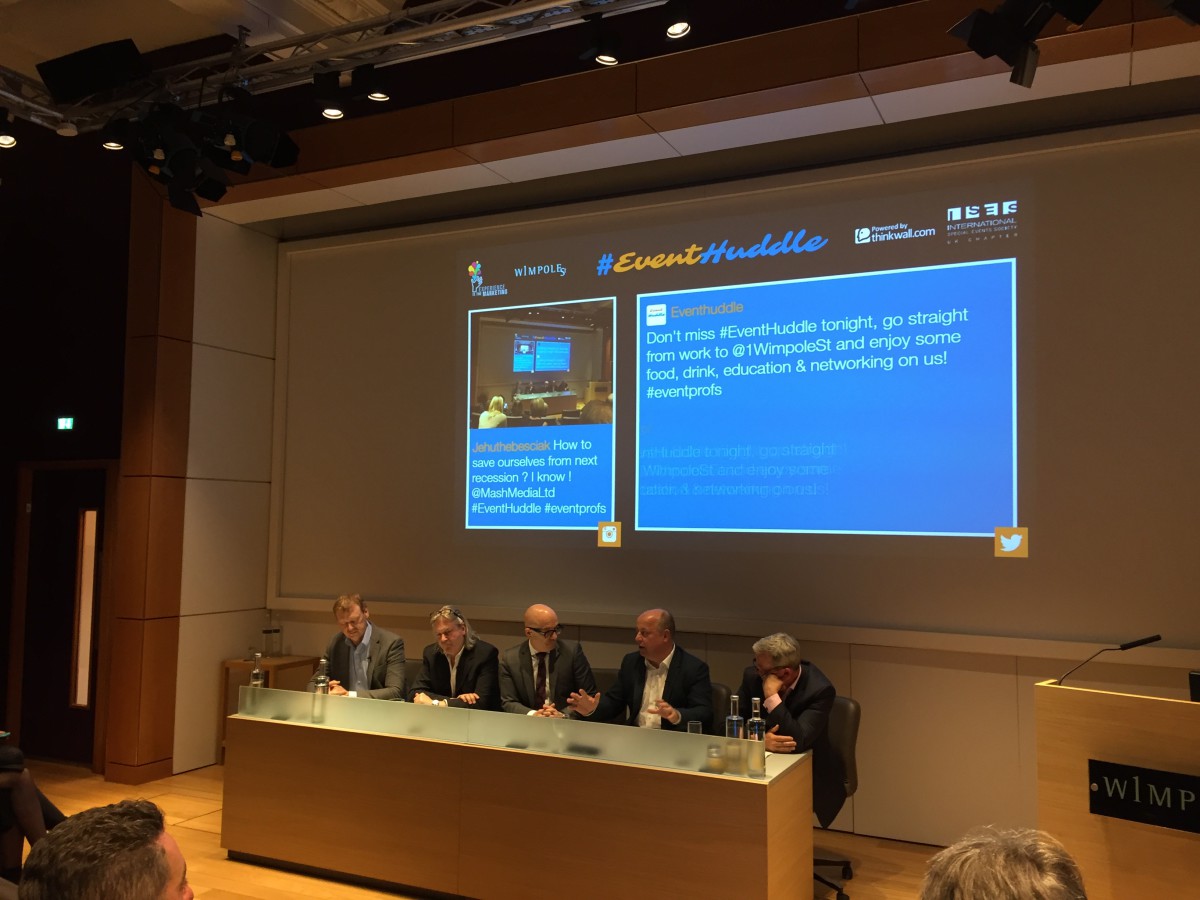
Can we save ourselves from the next recession? That was the topic of discussion of the latest Event Huddle event I attended. Moderated by Kevin Jackson, Director of Ideas and Innovation at The Experience Is The Marketing the panel consisted of experienced industry leaders who’ve been through at least one recession and came to share their experience with us: Mike Kershaw, Senior Partner at Kershaw Partners, John Fisher, Managing Director of The FMI Group, Dale Parmenter, Founder and Group CEO of drp and Philip Hughes, creative director and producer at The Ice Box.
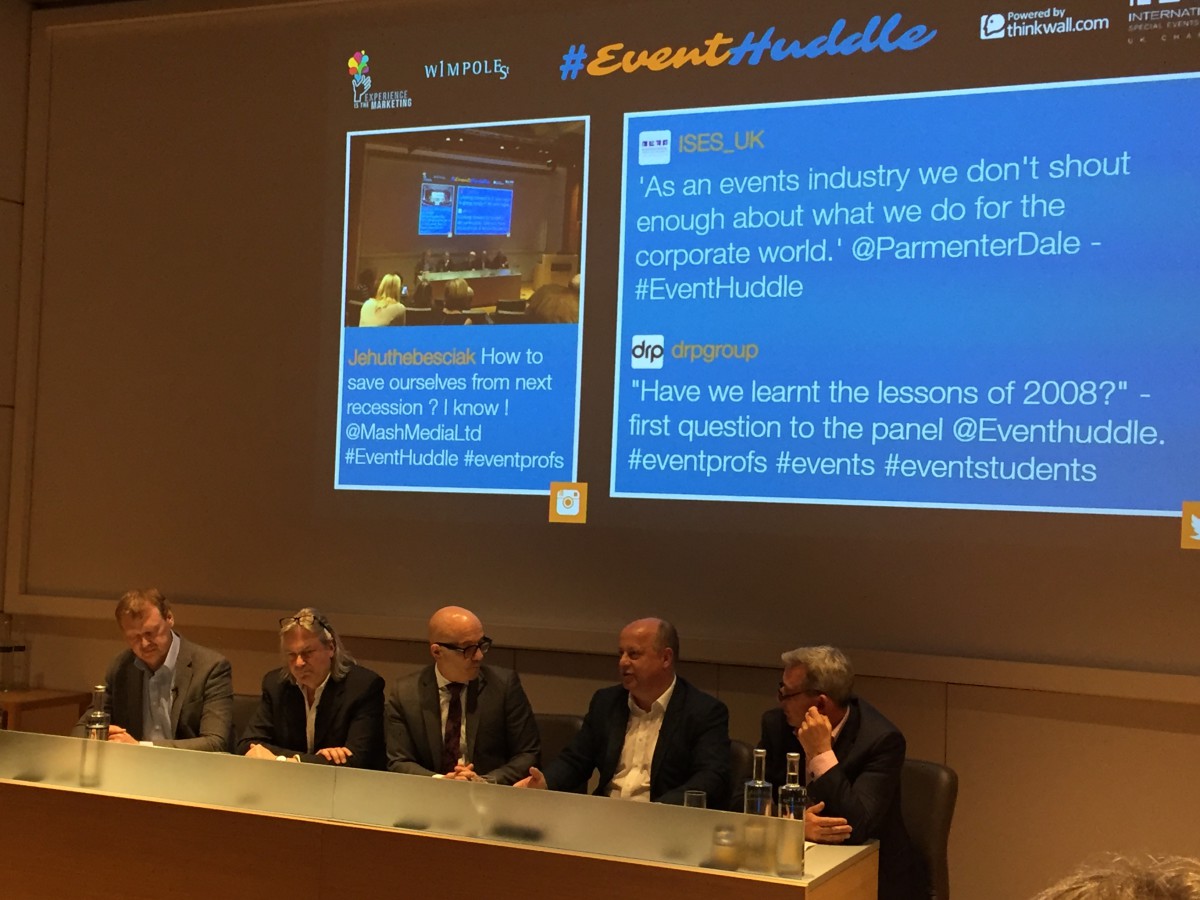
The discussion kicked off with the question “can we save ourselves from the next recession, have we learned the lessons of 2008?”
Unfortunately, the event industry is not in control of the decision to have an event, it’s the client who makes this decision. Therefore, the focus should be on shouting out the value of events to the UK. What we’ve seen in the past is that the media gave bad image to events, so clients didn’t want to be seen spending money on events and branding. Events are not a waste of money, they are spend and if another recession hits, event planners should shout out in the media why events matter, the value they bring and justify the effectiveness of what they do.
Certain sectors didn’t get affected by recession, especially the consumer brands, they continued doing things but became more discrete about how they spend money. Recession proof industries include drinks, festivals, technology, Christmas parties, Annual General Meetings (AGM), venue finding, associations, charities, grocery trade and internal communications.
Regardless the industry, if you want to be a recession proof business you have to be faster than a client can be. Also you can offer “menu costing” to clients, e.g. – take out single items from the event rather than offering per person packages. If a recession hits, it’s also advisable to explore new markets and let go of old products.
What #eventprofs can learn from past recessions is that checking numbers and cash flows is key as well as keeping good staff. Also being pro-active on sales is important. When times are good event companies can make business walk out the door and forget about sales and being pro-active. Sales process should be pro-active and reactive at all times.
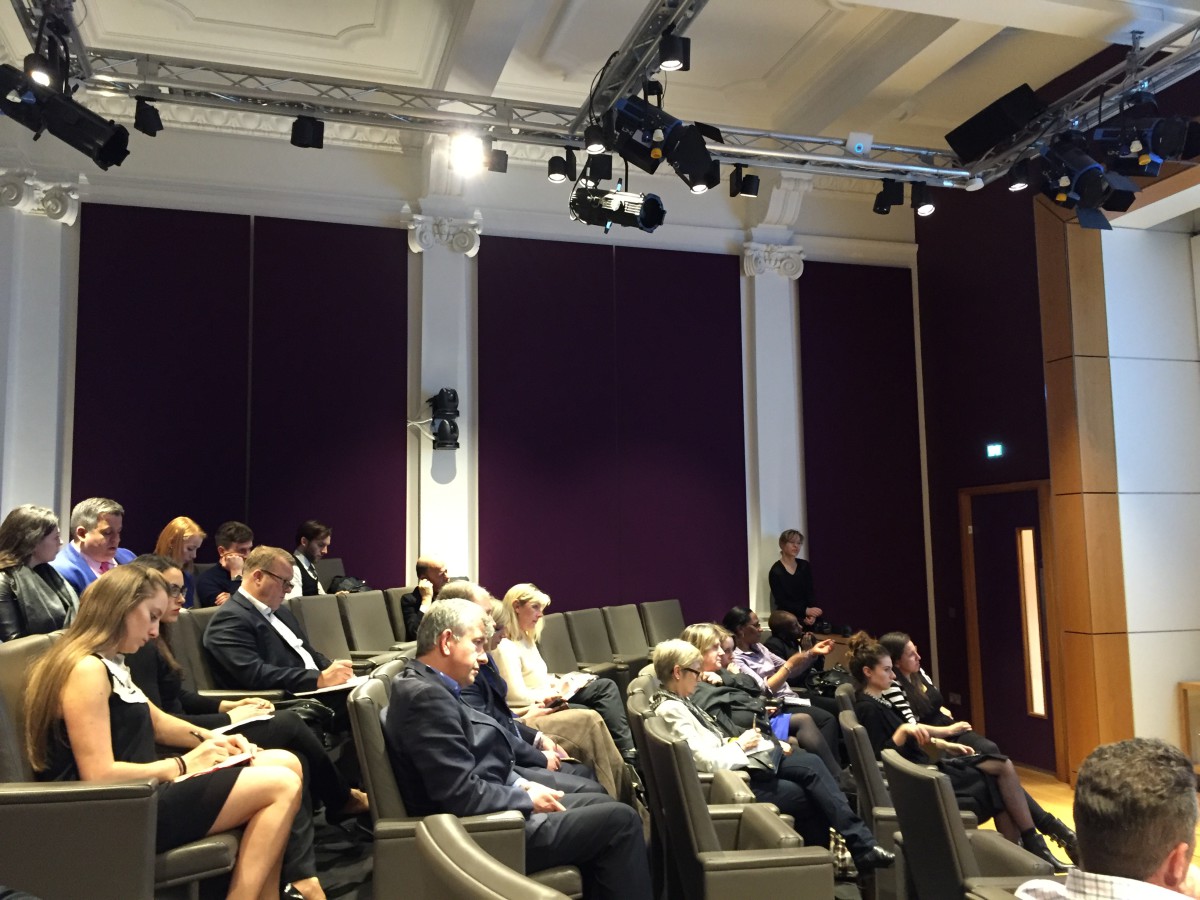
To conclude, we have to do more as an industry to show the true value of events to our corporate clients because when times are good event planners become complacent and stop promoting the value of events. Associations and big agencies should take the lead in promoting this agenda by educating the clients through seminars or giving a tool box to smaller agencies and suppliers who can go to clients and spread the word. If we work together as a sector everyone in the events industry can benefit.
All panelists agreed that we are not doing enough as a sector at the moment to promote the value of events to corporate clients. We can do more by asking the right questions to understand what the clients want, what they are trying to achieve and what their objectives are. They also touched on the topic of procurement and the challenge of approving the event budget with them. Planners should educate the procurement about the value of events and that can be done by running round tables, presenting to them that buying events and creative services requires a different skills set than buying products.
The full session is also available online.